The South African Fisheries Museum
Admittance: R15 per person. Groups need to book.
About Us
About Us
About the South African
Fisheries Museum
The South African Fisheries Museum, located in Velddrif on the West Coast of South Africa, opened in December 2009. The museum preserves and presents the remarkable history of the fishing industry that shaped this coastal community.
From early whalers to post-war wooden trawlers and modern fishing fleets, the museum tells the story of innovation, resilience, and community.
About the South African Fisheries Museum
The South African Fisheries Museum, located in Velddrif on the West Coast of South Africa, opened in December 2009. The museum preserves and presents the remarkable history of the fishing industry that shaped this coastal community.
From early whalers to post-war wooden trawlers and modern fishing fleets, the museum tells the story of innovation, resilience, and community.
West Coast Fishing History Preserved
The museum exhibits reflect the deep connection between the Atlantic Ocean and the people of Velddrif-Laaiplek. Fishing is not only an industry here, it is a heritage passed down through generations.
- Traditional fishing equipment
- Boat construction techniques
- Multimedia storytelling installations
- Historic documents and artefacts
West Coast Fishing
History Preserved
The museum exhibits reflect the deep connection between the Atlantic Ocean and the people of Velddrif-Laaiplek. Fishing is not only an industry here, it is a heritage passed down through generations.
- Traditional fishing equipment
- Boat construction techniques
- Multimedia storytelling installations
- Historic documents and artefacts
The Story of the Berg River Harbour
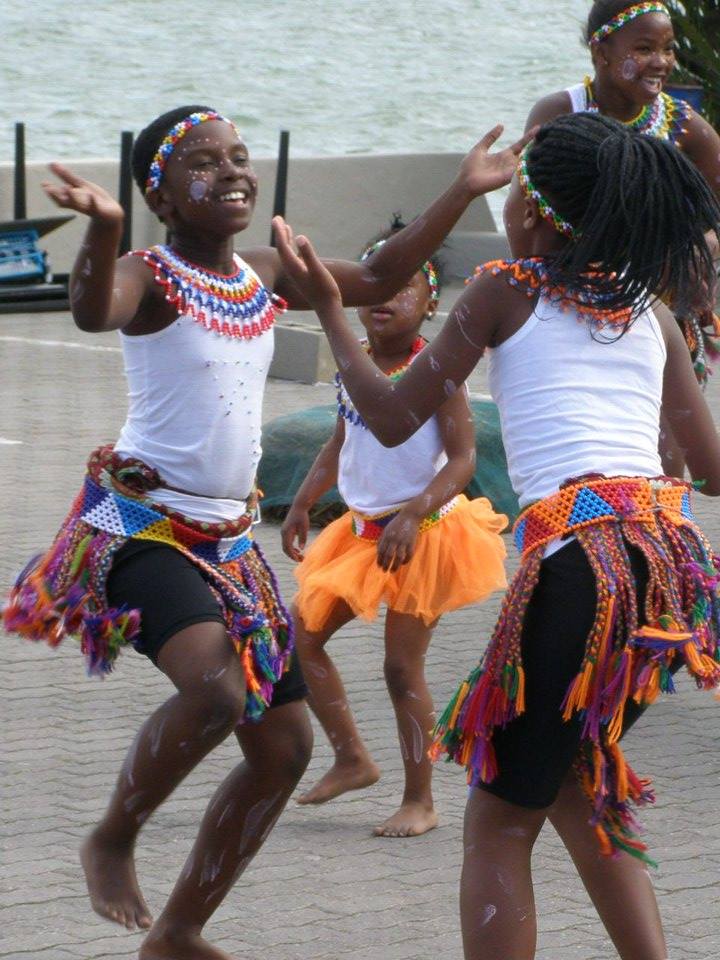
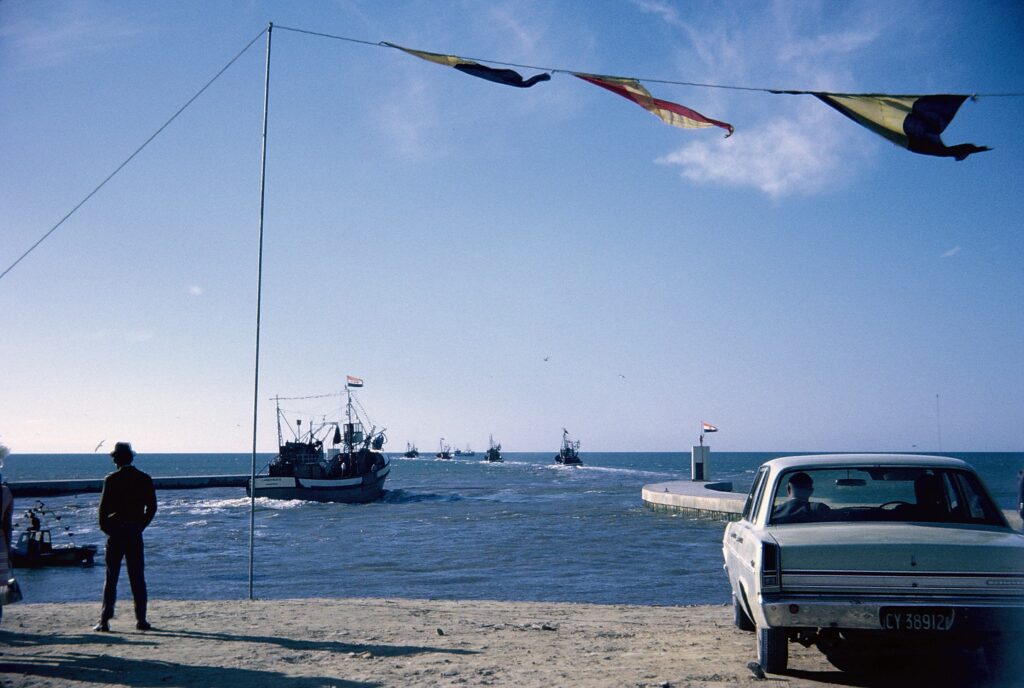
One of the most significant events in Velddrif’s history was the construction of the new Berg River mouth and harbour in 1968. The original shallow river mouth restricted larger vessels, threatening the local fishing economy. Through community action, engineering innovation, and government support, a new canal and breakwater system was constructed, securing a sustainable future for the fishing industry. Today, this man-made harbour stands as one of South Africa’s twelve fishing harbours and remains central to the region’s identity.
The Story of the Berg River Harbour
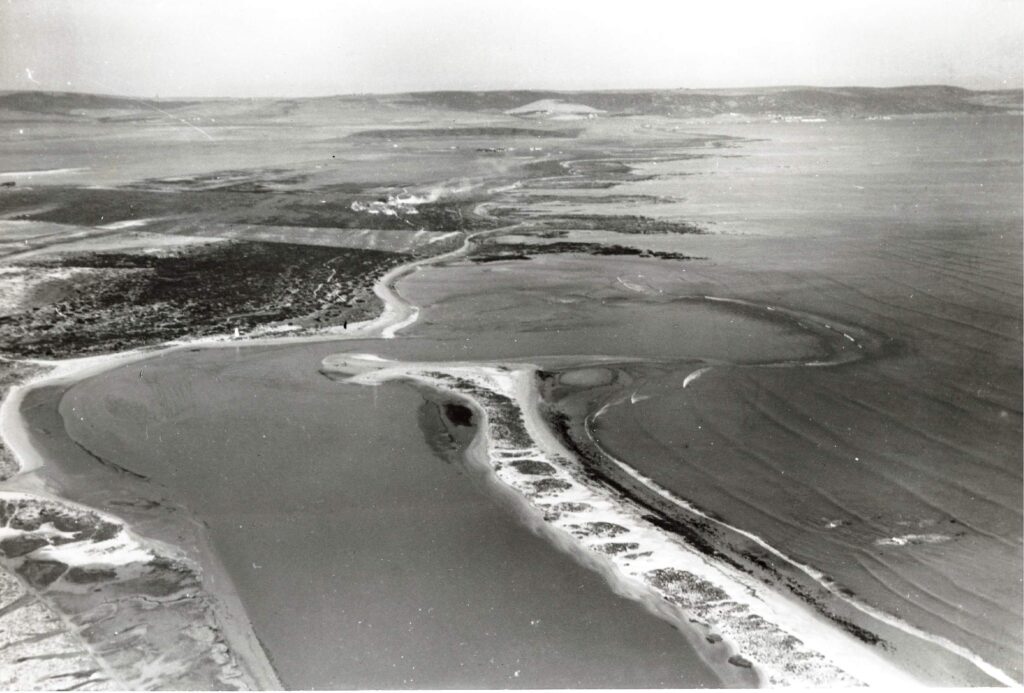
One of the most significant events in Velddrif’s history was the construction of the new Berg River mouth and harbour in 1968. The original shallow river mouth restricted larger vessels, threatening the local fishing economy. Through community action, engineering innovation, and government support, a new canal and breakwater system was constructed, securing a sustainable future for the fishing industry. Today, this man-made harbour stands as one of South Africa’s twelve fishing harbours and remains central to the region’s identity.